LETRS Unit 8 Session 6 Check For Understanding
As educators, we’re constantly seeking new ways to enhance our students’ reading and writing skills. LETRS Unit 8 Session 6 dives deep into the intricacies of language structure and its impact on literacy development. In this session, teachers will explore effective strategies and techniques that can make a significant difference in their classrooms.
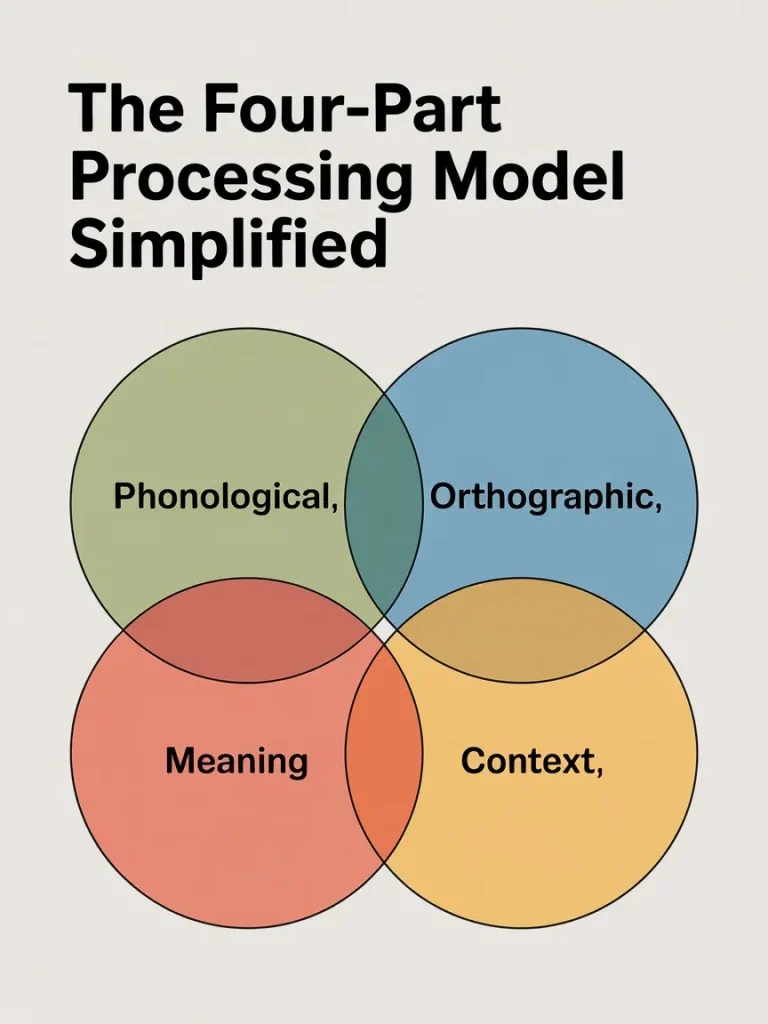
Understanding the components of language can empower educators to tailor their instruction, ensuring that every student has the tools they need to succeed. By focusing on phonology, morphology, and syntax, LETRS Unit 8 Session 6 equips teachers with the knowledge to break down complex language concepts into manageable chunks.
This unit is particularly crucial as it equips teachers with practical skills for daily application. With engaging activities and insightful discussions, LETRS Unit 8 Session 6 not only fosters a deeper understanding of literacy but also helps to ignite a passion for reading and learning among students.
Why LETRS Unit 8 Session 6 is Essential for Educators
Which of the following is considered the least useful assessment method for grading young writers?
Answer:
a. letter grades (A, B, C, D, F)
Explanation:
Letter grades might not effectively capture the nuances of young writers’ abilities. They often reduce complex writing skills to a simple letter, which may not provide a clear picture of a student’s progress or areas for improvement. Furthermore, young writers may need more specific feedback to develop their skills.
When grading compositions, which measure has the strongest correlation with the overall quality of the writing?
Answer:
a. correct word sequences (CWS)
Explanation:
Correct word sequences indicate the writer’s understanding of language structure and syntax, which are crucial components of effective communication. This measure closely aligns with the overall quality of writing, as coherent and well-structured sentences contribute significantly to an essay’s clarity and impact.
What is the recommended way to capture and assess a student’s ideas if he or she is still in the prealphabetic phase?
Answer:
b. Have the student orally describe his or her work while the teacher records it in writing.
Explanation:
This method allows students to express their thoughts verbally without the constraints of writing, which they may not yet be skilled at. By recording their words, teachers can accurately assess their ideas and later guide them in translating these thoughts into written form, aiding their development.
The means of assessing student writing should be determined once students have completed their writing assignments.
Answer:
FALSE
Explanation:
Determining assessment methods beforehand ensures that both students and teachers have clearly defined expectations. It allows for targeted instruction and helps students understand what is required in their writing, which can enhance their overall performance and learning outcomes.
Teachers can help ensure student success in writing by (select all that apply):
Answer:
ALL
Explanation:
Teachers play a crucial role in supporting students’ writing development through various strategies. These may include providing constructive feedback, fostering a positive writing environment, and teaching writing skills explicitly. A comprehensive approach can significantly bolster students’ confidence and abilities in writing.
You may also visit:
| LETRS Unit 6 Session 2 |
| LETRS Unit 6 Session 3 |
| LETRS Unit 6 Session 4 |
| LETRS Unit 6 Session 5 |
| LETRS Unit 6 Session 6 |
| LETRS Unit 7 Session 1 |
| LETRS Unit 7 Session 2 |
| LETRS Unit 7 Session 3 |
LETRS Unit 8 Session 6: Using Summative Assessments to Evaluate Student Outcomes and Instructional Effectiveness
There’s nothing quite like the moment those end-of-year or end-of-unit test scores show up. Some teachers glance at the numbers and immediately feel either relief or dread. Others stare at the data trying to decode what it actually means.
I remember standing in my classroom after school one year, holding a stack of summative score reports that basically told me, “Here is everything your students can do… and everything they can’t.” It felt overwhelming. But over time, I learned that summative assessments aren’t the enemy — they’re information. And when used correctly, they help teachers refine their craft instead of question their worth.
LETRS Unit 8 Session 6 is all about that shift in mindset.
It teaches teachers how to use summative assessments the right way — not for panic, not for punishment, but for reflection and improvement.
What LETRS Unit 8 Session 6 Focuses On
This session explains how summative assessments:
- measure long-term outcomes
- evaluate whether instruction was effective
- show patterns across classrooms or grade levels
- highlight strengths and weaknesses in curriculum
- help schools adjust instructional priorities
- guide planning for the following year
Summative assessments are retrospective — they tell the story of what happened over time, not what’s happening right now.
Why Summative Assessments Matter
Teachers often dislike summative assessments because they feel final, heavy, high-stakes. But Session 6 reframes them as tools for big-picture understanding, helping teachers answer questions like:
- Did our instruction address essential reading components?
- Where did most students excel?
- Where did many struggle?
- Which practices worked — and which didn’t?
- Do classroom patterns match grade-level expectations?
Summative assessments show trends that daily classroom work can’t reveal.
What Summative Assessments Can (and Cannot) Tell Teachers
What They CAN Tell You
- overall proficiency
- grade-level mastery
- growth across months
- patterns among groups of students
- areas where curriculum may need strengthening
- which standards or components need more attention
What They CANNOT Tell You
- the exact reason a student struggled
- the specific skill gap (that’s diagnostic)
- whether the child had a bad day during testing
- how the student learns best
Session 6 pushes teachers to use summative results wisely — not as a complete portrait, but as a chapter in the bigger story.
How Teachers Should Use Summative Data (According to Session 6)
1. Identify Whole-Class Strengths and Weaknesses
If a large percentage of students score low on morphology or multisyllabic decoding, that’s not a “student problem.”
It’s an instructional or curricular gap.
2. Compare Growth Across Subgroups
Some grade levels may show strong improvement in foundational skills, while others show dips in comprehension.
Patterns matter.
3. Reflect on Instructional Choices
Teachers begin asking:
- Did we spend enough time on foundational reading?
- Were interventions aligned to diagnosed needs?
- Did pacing support mastery or rush too quickly?
Reflection = better future instruction.
4. Plan for the Next Year
Summative results are incredibly helpful for:
- adjusting scope and sequence
- strengthening weak content areas
- choosing better materials
- planning professional development
- setting goals for next year’s class
It’s less “What went wrong?” and more “Where can we grow?”
5. Combine Summative Data With Other Assessments
Summative scores are just one piece.
Session 6 emphasizes layering them with:
- classroom performance
- screening
- diagnostic results
- progress monitoring trends
This creates a complete picture.
Common Errors Teachers Make (Session 6 Helps Prevent These)
Using summative scores to judge individual students
Summative assessments aren’t detailed enough for that.
Overreacting to dips
Kids are human. One tough test doesn’t erase skill development.
Ignoring classroom-dependent patterns
If a whole grade struggles with vocabulary, that’s not coincidence.
Assuming summative data reflects daily performance
It often doesn’t — especially for anxious or reluctant test-takers.
Letting summative scores overshadow instructional wins
One number can’t measure the full year of learning.
Classroom Example From Session 6
A school notices that across three 3rd-grade classrooms, students scored below average in comprehension of informational text.
Instead of blaming students or teachers, the team looks at instructional patterns and discovers:
- limited time spent analyzing nonfiction structures
- insufficient vocabulary instruction
- overreliance on narrative texts
Next year, they adjust:
- increase nonfiction reading time
- incorporate morphology instruction
- add weekly informational text discussions
The following year’s summative data improves significantly.
This is how summative assessments help — not by pointing fingers, but by pointing forward.
Teacher Reflection From Session 6
I used to dread summative testing season.
It felt like judgment. Finality. Pressure.
But LETRS reframed it for me:
Summative results aren’t the verdict on teaching — they’re a chance to understand what’s working and what isn’t. They help teachers refine instruction, not doubt themselves.
What Growth Looks Like After Session 6
Teachers begin to:
- use summative assessments as learning tools
- identify grade-level instructional needs
- build stronger planning for the next year
- recognize district-wide trends
- balance data with human insight
- feel more confident interpreting complex results
Students benefit when instruction becomes more strategic, more focused, and more aligned with actual outcomes.
Conclusion
LETRS Unit 8 Session 6 teaches teachers how to interpret summative reading assessments with clarity and purpose. Rather than viewing them as high-stakes judgment tools, educators learn to use them to evaluate instructional effectiveness, guide curriculum adjustments, and plan stronger instruction for the future.
When used correctly, summative data stops being a source of stress and becomes a source of direction.
